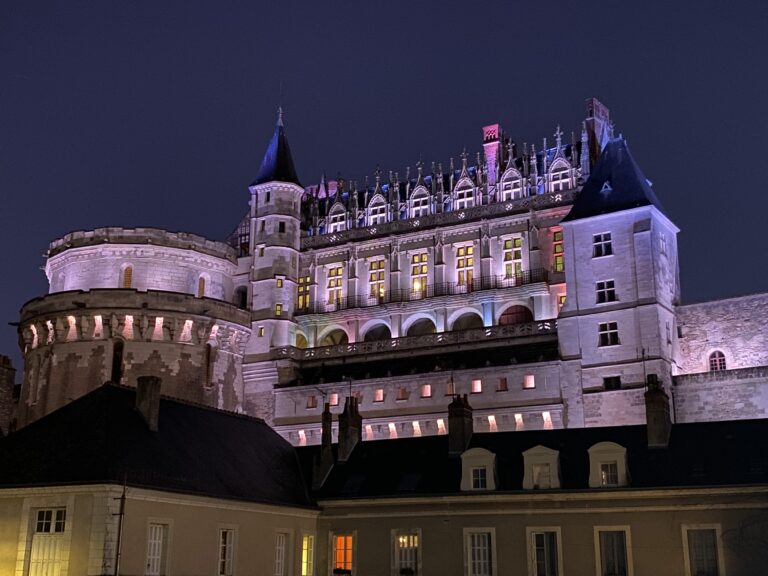


Northern Chile with your family - 3 weeks: Atacama, salt desert and starry skies
📋 Practical Information
Northern Chile: a desert unlike any other in the world
Northern Chile is my absolute favorite. This is a unique desert country, where the landscapes seem to come out of another world. majestic volcanoes as far as the eye can see, and huge salars, and oasis towns and breathtaking rock formations. Each day is different and offers a new surprise: one day is colored by ochre mountains, the next by turquoise lagoons or plains filled with wild animals.
Visit wildlife is exceptional Thousands of animals visible every day, from flamingos and vicuñas to fascinating endemic birds. It's a nature experience at every turn, where you feel truly small in the face of the immensity and diversity of the landscape.
In practical terms, northern Chile is very safe, comparable to North America. The roads are magnificent, wide and little frequented, This makes for a pleasant, relaxing drive. Every journey becomes an adventure, with spectacular views around every bend and no monotony.
For me, traveling in northern Chile means reconnecting with nature, Enjoy unique panoramas and experience the grandeur of the world's deserts and volcanoes. Each day is memorable and offers an incredible contrast to the last, making this region absolutely unforgettable.
💡Tip: To reach Putre and explore the Altiplano, it is mandatory to rent a 4×4, preferably a van/pick-up truck. Why?
- This eliminates the need putting diesel cans in the vehicle, practical but often complicated and messy.
- The van offers more comfort and capacity for family and luggage.
⚠️ Please note: insurance from credit cards generally do not cover pick-up trucks. You should therefore check with the rental company and possibly take out local insurance, or check with our car insurance company.
Why choose Chile for a family vacation?
Chile is a destination that defies geographical logic. This thread-like country, the longest and narrowest in the world, stretches its 4,300 km along the Pacific coast to offer a dizzying diversity of landscapes. From salt deserts to the glaciers of Patagonia, from Andean volcanoes to verdant vineyards - Chile is a permanent adventure for families who dare to get off the beaten track.
The Atacama Desert - another planet
The Atacama Desert in northern Chile is the driest desert on the planet - and yet one of the most beautiful. Geysers erupting at sunrise, turquoise lagoons perched 4,000 metres above sea level, valleys of multicoloured rock and some of the purest starry skies in the world - your children will feel as if they've landed on Mars. San Pedro de Atacama, a charming little village, is the perfect base from which to explore this extraordinary region.
Breathtaking volcanoes and Andean landscapes
Northern Chile abounds in majestic volcanoes that dominate the Andean altiplano. Parinacota, Cerro Toco and their neighbors create panoramas of wild, silent beauty that families find nowhere else. Unspoilt Andean villages like Parinacota offer an authentic insight into the thousand-year-old Aymara culture - a life-size history and geography lesson for your children.
Spectacular wildlife
The Chilean altiplano is the kingdom of the pink flamingo. These majestic birds gather in their thousands around salt lagoons such as the Salar de Atacama, the Salar de Surire and the Lagunas Altiplánicas - a natural spectacle that amazes children and adults alike. Vicuñas, llamas, Andean foxes and viscaches complete this unique animal tableau that you'll only see here.
An unforgettable road trip in the north
Northern Chile lends itself perfectly to family road trips. The roads are well maintained, the signs are clear and the distances between each site are reasonable. Starting from San Pedro de Atacama, a few days' drive will take you past geysers, lagoons, salars, volcanoes and Andean villages - each kilometer reveals a more spectacular landscape than the last.
A dry, pleasant climate
Northern Chile enjoys an extremely dry, sunny climate all year round - over 300 days of sunshine a year in the Atacama region. No rainy season to worry about, no sweltering humidity - just generous sunshine, cool nights and clean air that makes every day of exploration perfect for the whole family.
The world's most beautiful starry skies
Thanks to its high altitude, ultra-dry air and lack of light pollution, the Atacama Desert is home to some of the world's greatest astronomical observatories. Observing the Milky Way with the naked eye from the desert, or taking part in a guided astronomy evening with telescope, is a magical experience that leaves a deep impression on children - and parents too!
Activities for the whole family
Chile is full of unforgettable experiences for all ages.
Our 3-week Chile itinerary
- Day 1 : Calama
Arrival Atacama desert + night before adventure - Day 2-5 San Pedro de Atacama
El Tatio geysers + Valle de la Luna + salar + stargazing - Day 6 : Pica
Palm oasis + natural hot springs - Day 7-9 : Arica
Pacific beach + surfing + Azapa valley + Peru border - Day 10-14 : Putre
Lauca Park 4500m + vicunas + flamingos + altiplanic lagoons - Day 15 : Colchane
Wild Altiplano + Bolivia border (Salar Uyuni option) - Day 16-17 Iquique
Beach + giant dunes + sandboard + ceviches port - Day 18 : Calama
Transit to Valparaíso - Day 19-21 Valparaíso
Colorful UNESCO houses + street art + cerros + Casablanca wine
What to do and where to stay
Day 1 : Squid
We arrived very late in Calama, so this first evening was quite simple: head to the hotel, a pizza, a well-deserved beer, then to bed to regain our strength before continuing our trip.
Day 2-5 : San Pedro de Atacama


Lost in the middle of the desert in northern Chile, San Pedro de Atacama is a small oasis surrounded by volcanoes, lagoons and completely unreal landscapes. The village is small, simple and charming, with its sandy streets and adobe houses. It's the perfect starting point for exploring the immense Atacama Desert.
Where to sleep à San Pedro of the Atacama
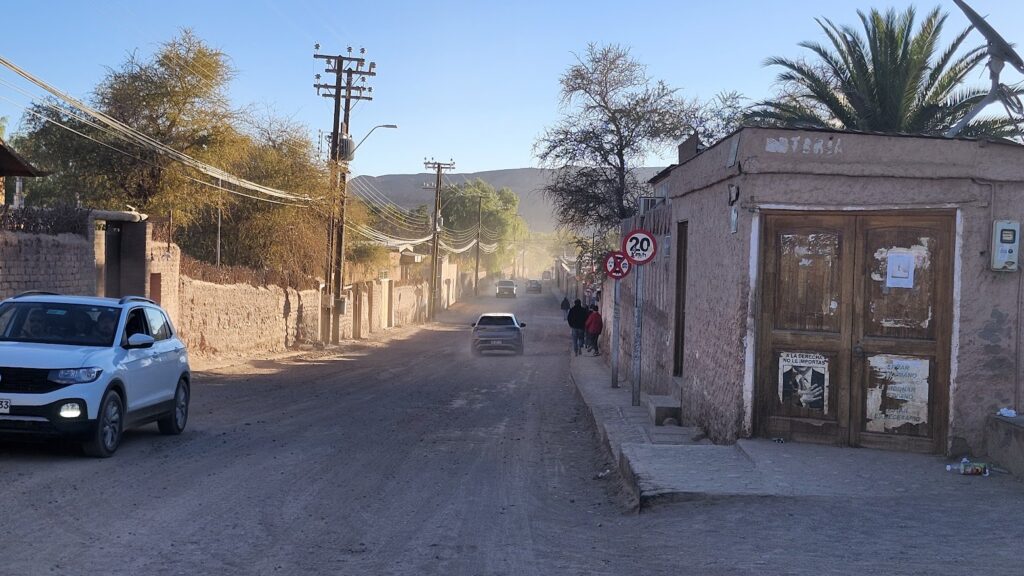
If you have a car, it may be preferable to sleep slightly outside the village. Hotels and lodges here are often quieter and offer magnificent views of volcanoes and desert.
💡Tip: in the village center, the roads are not not asphalted and there are often lots of dust when cars pass by. Sleeping a little out of the way avoids this dust and allows you to enjoy a quieter environment.
What to do in San Pedro de Atacama
Here are the must-do activities we tried in the region; it's possible to do two per day:
- Explore the spectacular Valle de la Luna and watch the sunset
- Watch flamingos in the Salar de Atacama
- Visit the magnificent Lagunas Altiplánicas
- Get up very early to discover the El Tatio Geysers
- Bathing in the Lagunas Escondidas de Baltinache
- Explore Death Valley National ParkValle de la Muerteafter renting sandboards in town.
- Observe the stars during an astronomy tour in one of the purest skies in the world. Tour in French and English: San Pedro de Atacama Celestial Explorations
- Discover the incredible colors of Rainbow Valley (Valle del Arcoíris)
- Hiking in the surrounding volcanoes, such as the Cerro Toco, to enjoy spectacular views of the desert and the Altiplano.
Each excursion reveals a completely different landscape snow-capped volcanoes, turquoise lagoons, red deserts and immense salt flats. It's what makes this region so unique and unforgettable.
Day 6 : Pica: relaxation stop and thermal baths

Where to sleep in Pica
To sleep at Pica, we recommend booking directly in the city center. Everything is easily accessible on foot, which makes the stay much simpler and more enjoyable.
There are also very beautiful resorts with cabanas and pools, which can be an excellent option if you are looking for more relaxed and a bit more exotic accommodation. In Pica, you can therefore easily find a practical place, but also enjoy a truly pleasant setting to rest.
What to do in Pica
After several days exploring northern Chile, Pica is the perfect place to make take a break and relax before hitting the road again.
This small oasis village is famous for its thermal springs, ideal for relax tired muscles after days in the desert and volcanoes. The natural hot water is renowned for its mineral properties, And bathing in the thermal pools offers a moment of pure bliss in a unique desert setting.
Pica is small and quiet, There's not much in the way of tourist activities, which makes it an ideal stopover. short but rejuvenating. It's the ideal place to rest, prepare for the rest of the trip and enjoy a peaceful atmosphere, far from the dust of the desert and the hustle and bustle of San Pedro.
When you get back on the road, we also recommend making a quick stop at the dinosaur park, a fun and unexpected place that always delights children.
Day 7-9 : Arica - town, beach and short hike

Where to sleep in Arica
To sleep at Arica, downtown is, in our opinion, the best choice. The city is quite small, there's a lot of traffic, and being well-located means you can walk most places, which is really convenient.
We advise you to avoid large Airbnbs located further north or south of the city. Even though they can be very beautiful, they are often too far from the center, which complicates travel and detracts from the simple and pleasant aspect of a stay in Arica.
What to do in Arica
After a relaxing break in Pica, Arica is the perfect place to combine beach, nature and family outings. Located in the very north of Chile, this port city offers mild, sunny climate, ideal for a few days by the ocean.
Beach and relaxation
Arica's beaches are ideal for swimming and family games. Although the water can be cool depending on the season, it's an excellent place to relax after days in the desert.
Small zoo
For families, the small city zoo is a fun option for discovering some local and exotic animals, perfect for animal-loving teens and kids.
Hiking and nature
For the most active short hikes in the surrounding hills, offering panoramic views of the city, sea and valleys. You can also explore the vallées d'Olive, A peaceful place to walk in a natural setting and observe arid landscapes transformed by vegetation.
Days 10-15: Putre - my favorite part of the Chilean Altiplano


After Arica, head for Putre, a small Andean village perched at an altitude of over 3,500 m in the heart of the’Chilean Altiplano. For me, it's the real "coup de coeur" of the trip very few tourists, nature unimaginable grandeur, snow-capped volcanoes, desert valleys and incredible wildlife. Each panorama is different and spectacular, making you feel at the end of the world.
Essential tip for road-trippers
Before leaving Arica, fill up your tank ! There's no no service station before Colchane, and the distance is long.
- For a pick-up or SUV, it is recommended to 4 x 20-litre cans of petrol in addition to the reservoir.
- Take water and snacks with you, too, as villages are few and far between.
Where to sleep in Putre
To sleep at Putre, it's important to know that it's a very small town that you can walk through in just a few minutes. There are several small hotels and a few restaurants, making it a simple and convenient stop for exploring the area.
From our side, we stayed at the’Hotel Las Vicuñas, an address we really loved. The owner was extremely friendly, and his magnificent dogs followed us everywhere, even on our little walks around town. It really added a warm touch to the stay, and we felt safe there.
What to do in Putre
Putre is the perfect starting point for exploring the’Chilean Altiplano and its breathtaking scenery. Here are the must-do activities around the village:
- Putre thermal baths Perfect for relaxing after the road and enjoying the mineral properties of the hot springs.
- National park Lauca Volcanoes, valleys, lagoons and local wildlife.
- Volcano Parinacota Whether hiking or simply observing the snow-capped summit and its reflection in the lagoons.
- Canyon and desert landscapes Altiplano: unique hikes and panoramas in the Altiplano desert.
- Laguna de Caquena A spectacular place to observe wildlife, especially pink flamingos.
- Cerro Milagro Short hike offering breathtaking views of the surrounding valleys and volcanoes, returning by way of the canyon.
- Park crossing to Colchane A wild and incredible route, with completely different scenery at every turn. Not to be missed Salar de Surire, a vast salar where you can observe flamingos and the unique beauty of the Altiplano.
💡 Tip: each activity reveals different landscapes and very few tourists are present, which makes Putre a truly unique place and a favorite of the trip. But we have to be careful.
💡 In a nutshell: Putre is a place out of time, ideal for nature lovers and families looking for a unique experience in the Chilean Altiplano. The road is magnificent but requires adequate preparation.
Day 16-17 : Iquique - urban stopover before the return journey


Before reaching the town of’Iquique, we make an unmissable stop at Humberstone, a ghost town and UNESCO World Heritage saltpeter mine.
To explore Humberstone is to immerse yourself in Chile's industrial history: old houses, schools, factories and machines bear witness to the days when saltpetre was an economic engine for the region. A fascinating experience ideal for families curious about history.
Where to sleep in Iquique
To sleep at Iquique, We found that the city center was an excellent choice. We had accommodation within walking distance of the sea and the historic district, with several restaurants, grocery stores, and services nearby, which made our stay very convenient.
After several days of a road trip, it was also incredibly nice to leave the car aside for a while and be able to do everything on foot. In Iquique, the center allows you to enjoy the city more peacefully, without having to constantly get back on the road.
What to do in Iquique
Iquique is a pleasant urban stopover to relax and discover a bit of local life before hitting the road again. Our must-sees :
- Fish market Taste fresh local produce and observe the bustle of a typical Chilean coastal town.
- Esmeralda Sailing Ship Museum Visit this historic ship to discover Chile's maritime history, and climb aboard to explore the old hull.
- Sandboarding on the local dunes A fun activity for the whole family, perfect for teenagers and for having fun in the sandy desert.
💡 Tip: Before returning the vehicle, it is very advisable to have it washed, inside and out. Between the sand of the desert, the dust of the Altiplano and the accumulated dirt, a clean vehicle avoids additional costs on return of the rental.
Day 19-21 : Valparaíso - the finishing touch to your trip


After our domestic flight to Santiago, we take the rental car to reach Valparaíso, about 1h30 from the capital. This port city is a veritable open-air museum, famous for its colorful hills and mural frescoes.
Where to sleep in Valparaíso
After almost three weeks in northern Chile, often in very remote places, we were a little more hesitant about the idea of sleeping in Valparaíso. We had read several comments saying that some neighborhoods could be more sensitive, so we preferred to play it safe.
On our end, we stayed at the beginning of Cerro Alegre, in a small Airbnb with secure parking. The location was very convenient: we just had to go down the hill a bit to go out for dinner in the evening and enjoy the neighborhood. Finally, we felt safe there, but we would still advise you to avoid going too far south, as the change in atmosphere is noticeable quite quickly.
What to do in Valparaíso
- The emblematic hills Cerro Concepción and Cerro Alegre are perfect for strolling along and admiring the brightly-colored houses, picturesque staircases and small cafés overlooking the port. Each turn reveals a different panorama of the city and the Pacific Ocean.
- Street art Valparaíso is world-renowned for its urban art. Gigantic frescoes and small, colorful graffiti decorate almost every wall, making the city dynamic and surprising around every corner.
- Port life and local markets Stroll around the port to discover maritime activities and taste fresh local produce.
- Museums and culture Pablo Neruda's house, La Sebastiana, offers a fascinating insight into the poet's life and the city's cultural history.
💡 Tip getting lost in the narrow streets of the hills is the best way to discover hidden street art and enjoy unique views of the city and ocean.
Our budget for 3 weeks in Chile
To give you a concrete idea, here's what we spent on our family trip:
- International flights (Québec → Santiago) 575 $ per person, i.e. 2,300 $
- Hotels approximately 60 $ at night, i.e. 1,260 $
- Restaurants approximately 35 $ per person per day, i.e. 735 $
- Car rental Calama: 925 $, Santiago: 40 $
- Gasoline : 400 $
- Internal flights (Santiago → Calama) 275 $ per person, i.e. 1,100 $
- Activities and excursions (visits, national parks, outings): 600 $
Approximate family total for 21 days ~7,000 $ with extras
This trip to Chile was a nice surprise on the budget. We found ridiculously cheap plane tickets and, once we were there, most of the activities were free or very affordable.
In the end, there were very few extras, which allowed us to make the most of the trip as a family. without spending too much.
Trip Checklist — Northern Chile + Valparaíso · 3 weeks · July
📋 Documents
- Valid passports 6 months after return
- No visa required for Canadians
- Scanned copies in Google Drive
- Printed and PDF travel insurance
- Credit card with no foreign transaction fees
- Up-to-date vaccination record (Hepatitis A recommended)
👕 Clothing - 3 different climates
- July = freezing nights in the desert (-5°C in San Pedro and Putre)
- Hot and dry days (+20°C)
- Valparaíso: Mild but windy (~15°C)
- Mandatory Layered Clothing: T-shirts + Fleece + Coat
- Hat and gloves for El Tatio (4 am), Putre, and Lauca
- 2 swimsuits (Pica, Arica, Iquique)
- Closed hiking shoes — volcanoes, altiplano, dunes
- Sandals for beaches and oases
- High-protection sunglasses — extreme UV at high altitudes
Daypack
- SPF 50+ Sunscreen — Review at 4500m in Lauca National Park
- Reusable water bottles — minimum 3L/day at altitude
- Lightweight waterproof bag for boat trips
- Mosquito repellent for Azapa Valley and Pica Oasis
💊 Health — Critical Altitude
- Putre and Lauca National Park at 4500m — the most demanding point of the trip
- Gradual ascent: San Pedro (2400m) → Putre (3500m) → Lauca (4500m)
- Allow 1-2 days for acclimatization in Putre before Lauca
- Ibuprofen and Tylenol for altitude headaches
- Coca tea available on-site — effective
- Motion sickness medication (winding mountain roads)
- Complete first-aid kit
- Bottled water required everywhere except Valparaíso
📱 Tech
- GigSky eSIM
- Power bank — long days without an outlet, especially Putre and Colchane
- Type C or L adapter, 220V
- Camera with wide angle — lunar landscapes and flamingos
- Download Google Maps offline maps — no signal in Colchane and Lauca
💰 Budget & Logistics
- Chilean Peso (CLP) — withdrawing cash in Calama and Iquique
- ATMs nonexistent in Putre, Colchane, and Pica — plan for cash beforehand
- Book El Tatio, Salar, and Lauca in advance - July is high season
- Bolivia to Colchane Border — Check conditions beforehand (sometimes closed)
- Option Salar de Uyuni from Colchane — book Bolivian guide in advance
- Valparaíso: hills by funicular or on foot - bring good shoes