

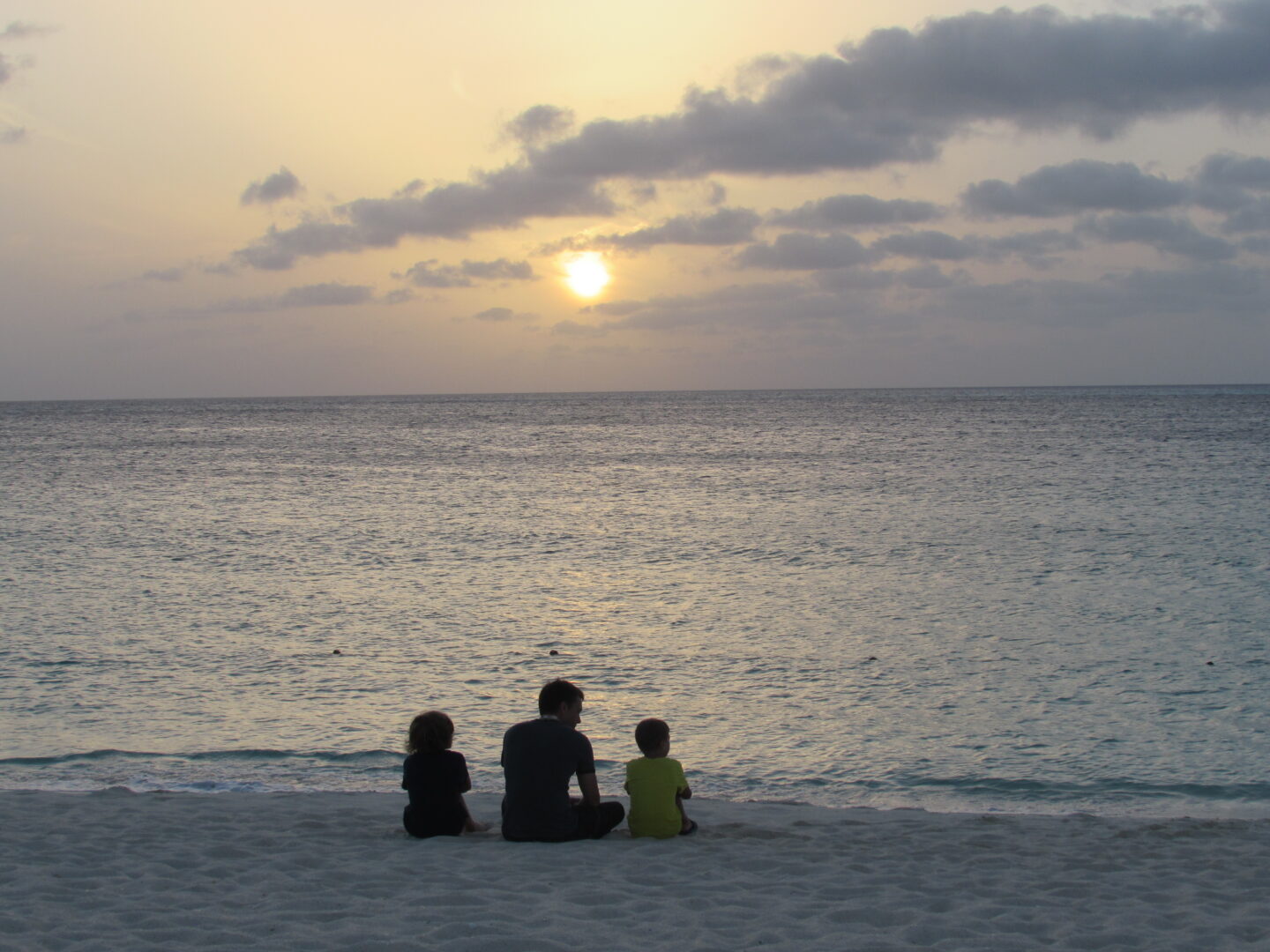
Aruba en famille - 3 weeks holiday: guaranteed sun, white sand and zero regrets
Aruba - Sun, beaches and family fun
This summer, we didn't yet have any plans for our vacation, and I started to quickly look at flights to see what was possible. And then, surprise: a flight at only 450 $ per person for Aruba! I didn't think too much about it and booked on the spot. Once I had the tickets in hand, I set about find out more about the island, and off we went on a new family adventure.
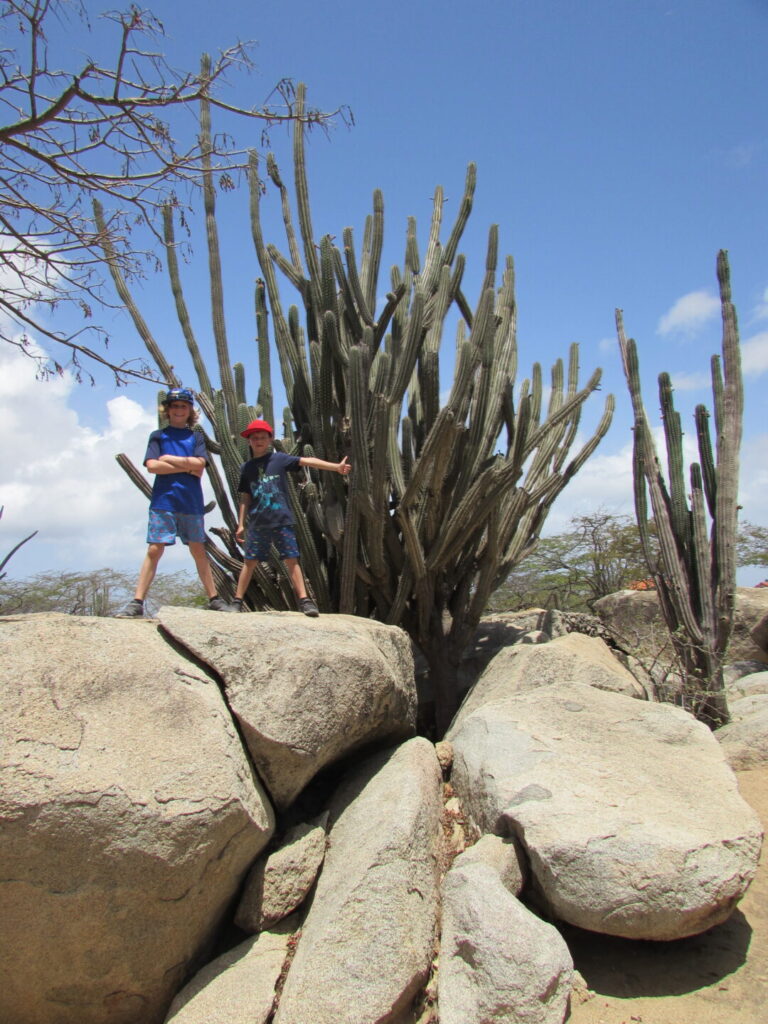
Aruba is a small volcanic island, about the size of the’Île d'Orléans, But it's not the lush island you might imagine. It's more like a dry, windy desert, with little vegetation, lots of sun and constant heat. Many people think it's only good for a quick beach or boat trip, Despite its arid climate, it has a unique charm: beautiful beaches, colorful villages and local traditions, perfect for combining relaxation and family adventures.
In the end, Aruba is truly a dream island. At one point, we even joked that we could almost expatriate here... and honestly, it wasn't such a crazy idea! Aruba remains for us a place you could easily come back to again and again.
Why choose Aruba for a family vacation?
Aruba is unlike any other Caribbean destination. This small island of 180 km², located outside the hurricane belt, hides many assets that make it one of the world's most popular family destinations. Here's why it deserves a place on your travel list.
Perfect weather all year round
Aruba enjoys an exceptional climate, with over 300 days of sunshine a year. Unlike most Caribbean islands, it lies outside the hurricane zone and boasts a constant average temperature of 27-28°C, winter and summer alike. Few destinations in the world can boast such climatic stability - ideal when planning a family trip!
Some of the world's most beautiful beaches
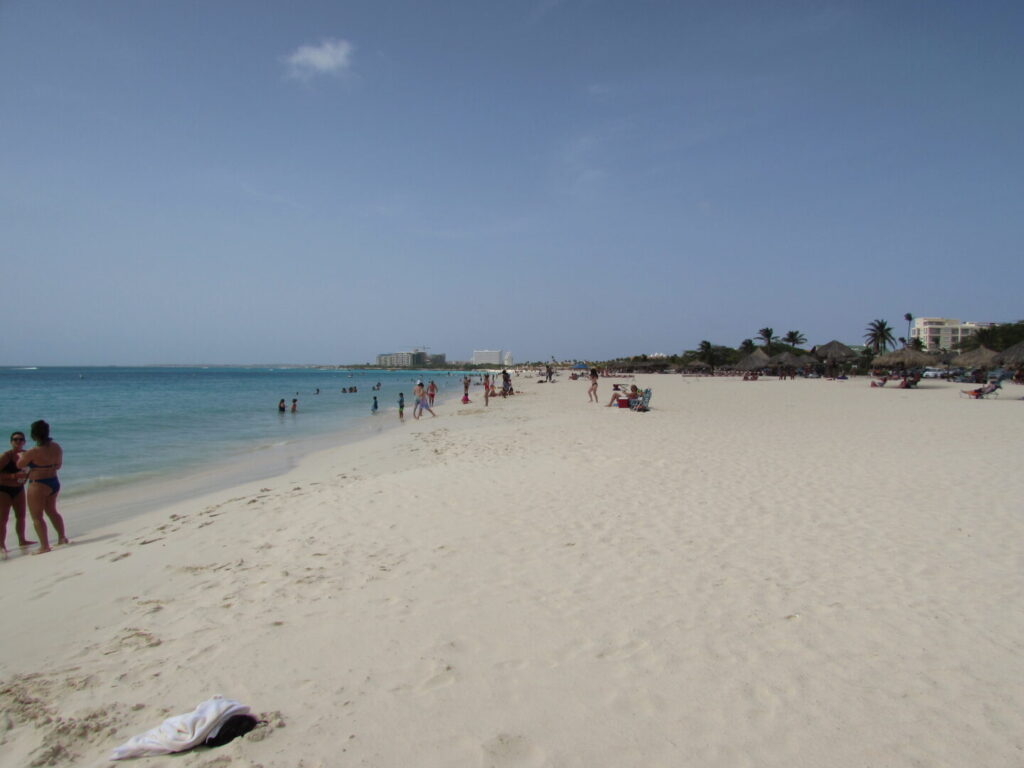
Eagle Beach and Palm Beach regularly feature in the top 10 of the world's most beautiful beaches. Powder-white sand, calm, shallow turquoise waters - perfect for children. No rocks, no dangerous currents, just miles of dreamy beach accessible to all.
Zero sargassum
This is one of Aruba's greatest advantages: thanks to its geographical position and constant trade winds, the island is virtually untouched by the sargassum algae that invades many other Caribbean destinations such as the Dominican Republic and Mexico. You can enjoy crystal-clear water with no nasty surprises.
A safe, family-friendly island
Aruba is regularly ranked among the safest islands in the Caribbean. The crime rate is very low and the tourist industry is very well developed - modern infrastructure, English- and French-speaking staff, well-maintained roads. You're free to roam, even with young children.
😊 The happiest island in the world
Aruba has not stolen its nickname of «One Happy Island» - you only have to disembark on the island to feel it immediately. The locals, known as Arubians, exude a genuine joie de vivre and human warmth that puts the whole family at ease from the very first moment. The smiles are genuine, the atmosphere is relaxed and caring, and this positive energy is naturally transmitted to travelers. On this island, happiness isn't a marketing ploy - it's a state of mind that you take home with you in your suitcases.
Activities for the whole family
Aruba isn't just about the beach. The island offers a multitude of activities for all ages.
Where to sleep in Aruba?
For our stay in Aruba, we chose to stay in the Palm Beach / Eagle Beach area, in the center of the action and close to the beaches. The a good compromise for families Easy access to beaches, restaurants and small grocery stores for children's snacks and dinners.
The corner is safe, practical and lively just right, It's not too noisy, so you can enjoy both relaxing on the beach and the local shops. It really is the ideal place to put your feet in the sand first thing in the morning and be back at the hotel in minutes..
How do I get around Aruba?
In Aruba, the car is really the most practical way to get around the island. As many of the roads lead to isolated, deserted spots, having a vehicle is essential for exploring at your own pace - and you'll be able to do just that. ideally a jeep. For our three-week vacation, we chose to standard car rental, This allowed us to save on rental costs while remaining flexible for all our excursions.
To explore the desert and parks in the north of the island, we also have rented a mountain bike for a few days. It was perfect for accessing the more remote areas, admiring the volcanic landscapes and having a bit of family fun without rushing. The boys loved it, and for us, it was an economical and practical way to make the most of Aruba.
What to do in Aruba in 3 weeks?
In Aruba, even if the island doesn't have a lot of natural activities to speak of, we found plenty of ways to get out and about. break the beach routine and keep the boys busy every day. Between relaxing half-days and little adventures, here's what we were able to do:
- Tour in a submarine to discover marine life without getting wet.
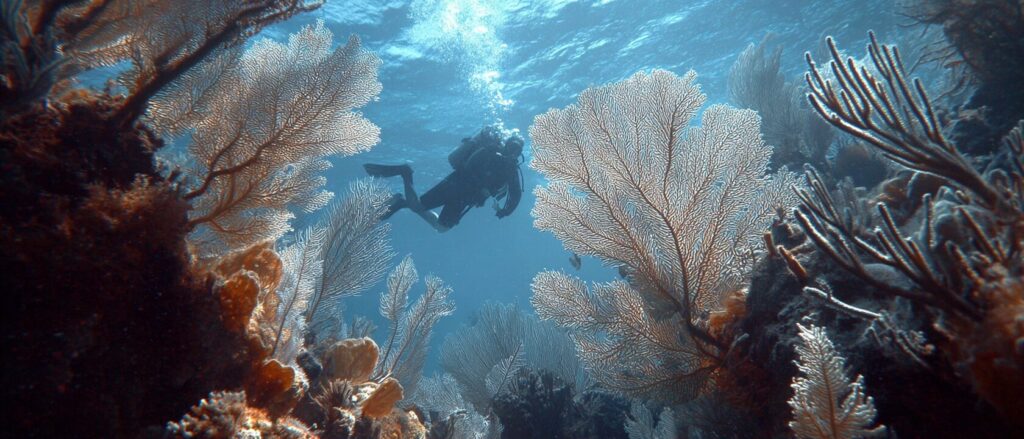
- Snorkeling, You'll be able to see fish and coral from every corner of the island.
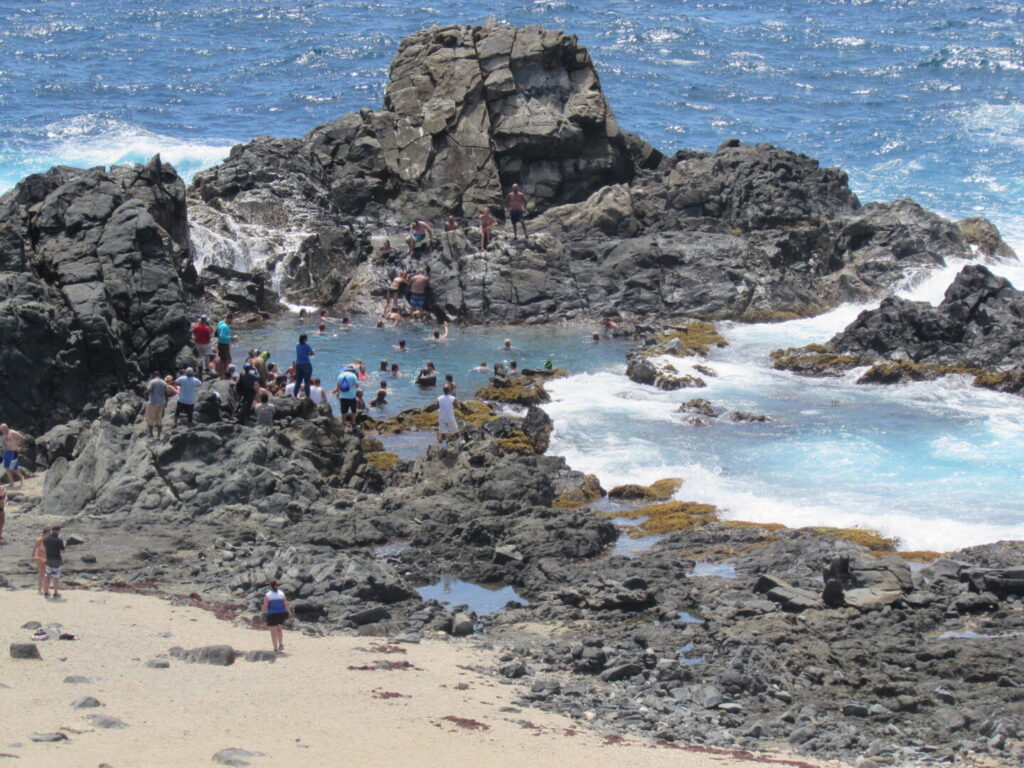
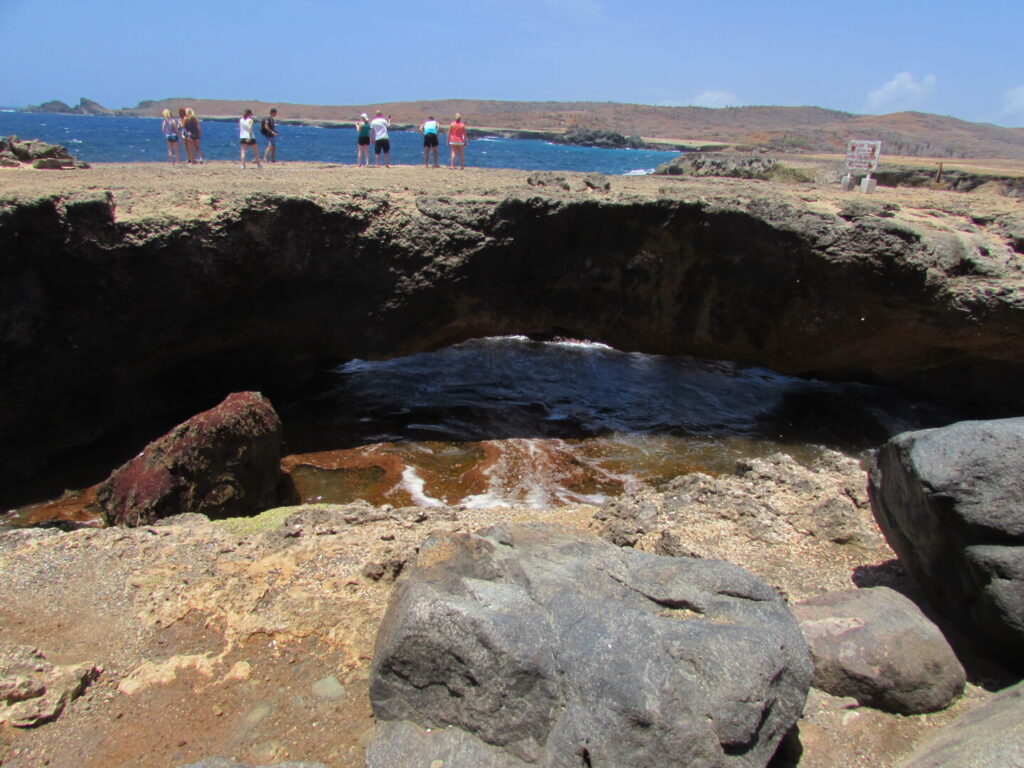
- Natural pool, perfect for swimming and cooling off.
- Cave exploration in the national park, an exciting adventure for the whole family.
- Learn to surf and test our first waves together.
- Deep-sea fishing, an experience that amazed the boys.
- Zoo, It's a surprising and interesting place, with lots of animals in close proximity; you can even feed them.
- Ostrich farm, a fun and original activity.
- Local water park, It was a no-holds-barred, fun-filled experience.
- Private amusement island with boat tour, banana boat, slides and beach.
- Pirate ship excursion, with snorkeling, lunch and water jumps.
- Try a different beach every day, to enjoy the varied landscapes.
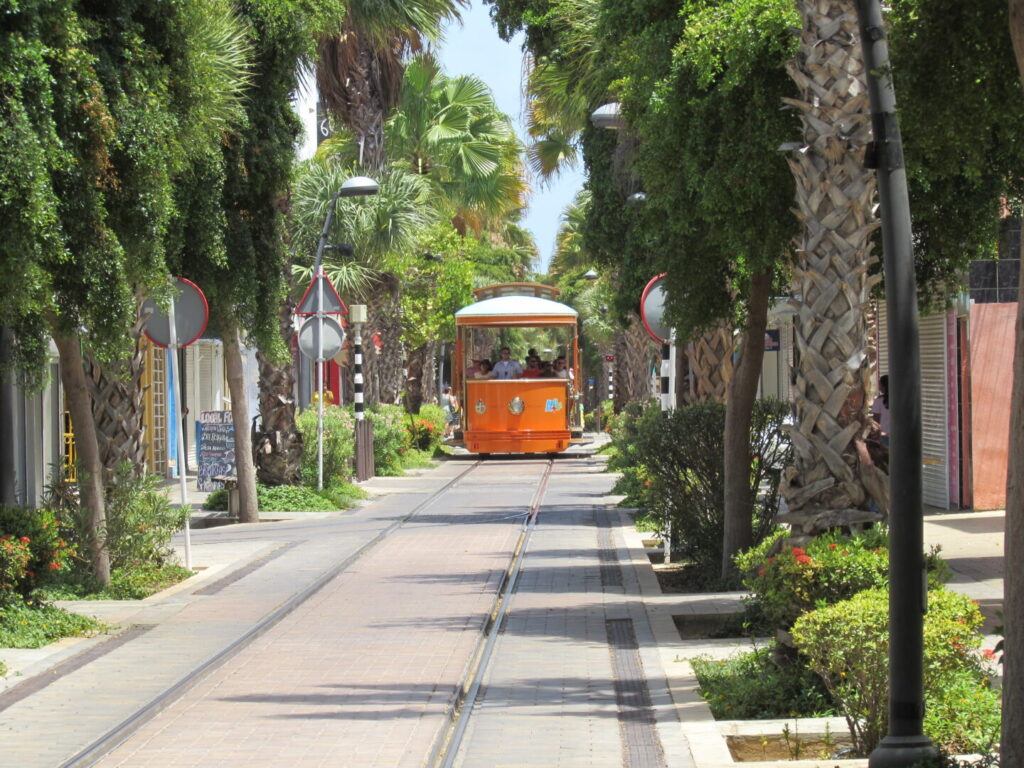
- Visit the colonial part, to discover the island's colors, history and narrow streets.
- Butterfly farm, ideal for observing these little marvels up close.
- Parasail, A unique experience with a breathtaking ocean view.
- Refuge for donkeys, gentle, educational activities for children.
- Mountain bike ride in the national park and climb the small hill, for a bit of adventure and incredible panoramas.
Thanks to all these activities, we were able to combine beaches and varied excursions every day. The boys loved the balance between adrenalin, discovery and relaxation, and for us, it was the perfect way to make the most of three weeks on a small but charming island.
Budget for Aruba - practical advice for families
In Aruba, the budget can quickly climb if you're not careful. Here are our observations:
- Hosting the ideal is to rent a small villa or apartment, approximately 100 $ per night with long-stay discount, which makes it possible to prepare meals and more flexibility than an all-inclusive hotel.
- Restaurants The prices are very high, especially near tourist beaches. To save money, it's best to shop locally and cook for yourself or prepare picnics for excursions.
- Excursions and activities they are extremely costly, We offer a wide range of services, especially boat, parasail, fishing and private island tours. It is therefore advisable to select a few key activities and complete the picture with free access to beaches and short hikes.
Approximate total for a family of 4 for 23 days: ~10,000 $
💡 Family tips rent a villa + prepare a few meals + choose the most memorable activities is the best way to enjoy the island without blowing your budget, while keeping kids and teens busy and happy.
Travel Checklist — Aruba · 10 days · July
📋 Documents
- Valid passports 6 months after return
- No visa required for Canadians
- Scanned copies in Google Drive
- Printed and PDF travel insurance
- Credit card with no foreign transaction fees
👕 Clothing — Guaranteed sunshine
- July = dry heat 28-32°C with constant trade winds — no overwhelming humidity
- Aruba is outside the hurricane zone — July is perfect, with zero or almost no rain
- At least 3 swimsuits — we live in them
- Closed hiking shoes — Arikok National Park, volcanic and rocky terrain
- Sandals for the beach and the city
- Lightweight breathable t-shirts — cotton or synthetic
- Very lightweight windbreaker — trade winds can be strong in the evening on the coast
Daypack
- Sunscreen SPF 50+ — Caribbean sun + misleading trade winds, you burn without realizing it
- Personal mask and snorkel — daily snorkeling, saves on repeated rentals
- Light fins if possible - currents sometimes strong near the Antilla wreck
- Reusable water bottles — dry heat dehydrates quickly
- Lightweight waterproof bag for boat trips
- Water shoes — rocky bottoms common for snorkeling
Medicine
- Waterproof sunscreen required — snorkeling + trade winds = quick sunburn
- After-sun cream — plan from day 1
- Bottled or filtered water — drinkable tap water but tastes like chlorine
- Basic first aid kit
- Seasickness medication if boat excursions are planned — trade winds create waves
📱 Tech — eSIM First
- eSIM strongly recommended — activate BEFORE leaving from Quebec
- Reliable providers: Airalo, Holafly — Aruba or Caribbean plan available
- Advantage: data from the moment of landing, essential for finding snorkeling spots.
- Keep SIM Québec active for banking SMS and 2FA
- No adaptor needed — American plugs like in Quebec
- Power bank — long beach days and excursions
💰 Budget & Logistics
- Aruban Florin (AWG) — USD widely accepted, very favorable fixed rate
- Aruba is expensive — budget restaurants are similar to Montreal or more.
- Car or scooter rental recommended for exploring — limited buses outside tourist areas
- Book snorkeling and surfing excursions in advance - July is high season
- West Coast (Palm Beach, Eagle Beach): calm sea, ideal for snorkeling and swimming
- East coast: strong trade winds waves — perfect for surfing, dangerous for swimming
- Arikok National Park - entrance fee, cash or card expected
🌊 Must-sees you won't want to miss
- Eagle Beach — regularly ranked among the most beautiful beaches in the Caribbean
- Antilla Wreck - Largest shipwreck in the Caribbean, exceptional snorkeling and diving
- Arikok National Park — Hike the Aruban desert, caves, and iguanas
- East Coast for surfing — consistent waves thanks to trade winds, lessons available on-site
- Sunset at California Lighthouse — the most beautiful viewpoint on the island
- Natural Pool in Arikok - hidden natural pool in the rocks, accessible by 4x4 or hiking
- Oranjestad — colorful and lively center, perfect for an evening


